




Color paste: The color DNA of water-based pigment ink
Date:2025-10-30 Views:127
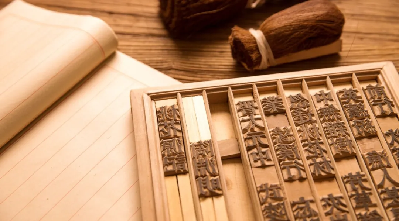
Humans have long yearned to freeze fleeting sounds and thoughts into tangible traces.
From ancient parchment scrolls and woodblock printing
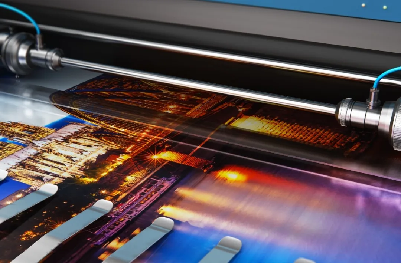
to the present day, where a simple mouse click allows invisible digital streams
to instantly bloom into words and colors on paper.
This is the delicate magic of digital printing.
Digital printing falls into two mainstream technologies: laser printing and inkjet printing. Using distinct working principles, both convert digital data into vivid imprints on printing substrates.
# Laser Printing
The Precise Dance of Light and Heat
Xerox pioneered breakthroughs in laser printing technology in 1971. Fundamentally, it is an intricate process relying on electrostatic imaging and thermal fusing. A laser beam scans the photosensitive drum to form an electrostatic latent image, which attracts charged dry toner particles. High temperature and pressure then permanently fuse the toner onto the printing medium.
It delivers crisp, engraving-like text, fast printing speed and low single-page cost, with water-resistant and fade-resistant prints. However, its color gradient performance is relatively limited, and laser printers tend to be bulky and costly.
# Inkjet Printing
An Exquisite Poem Written by Countless Tiny Ink Droplets
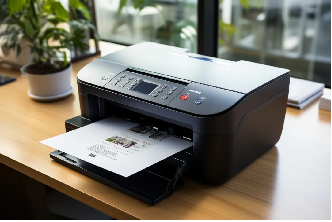
The concept of inkjet printing dates back to the 19th century, yet commercialized modern applications only emerged in the late 1970s. Its core technology lies in ejecting micro ink droplets on demand through tiny nozzles onto the surface of print media.
Two dominant technical approaches are widely adopted today: piezoelectric and thermal bubble. The piezoelectric method manipulates voltage to deform piezoelectric crystals, squeezing the ink chamber for ultra-precise droplet control. The thermal bubble method uses micro heaters to instantly vaporize ink and generate bubbles that push ink droplets out.
Inkjet printing boasts outstanding color reproduction, compact equipment and compatibility with specialty papers. Its drawbacks include relatively expensive ink, potential nozzle clogging requiring regular maintenance, slower printing speed on plain paper, and ink bleeding when exposed to water.
These micro nozzles act as microscopic painters, dotting billions of ink droplets precisely across paper. Based on colorant types, inkjet inks are categorized into dye inks and pigment inks.
1. Dye Ink
Dye ink is a solution system where colorants (dyes) dissolve as individual molecules within a liquid carrier, usually a blend of water and water-soluble organic solvents. This molecular-level dispersion enables deep penetration into substrate fibers, delivering brilliantly vivid visual effects.
Nevertheless, dye ink is prone to photodegradation and offers weak water resistance. Therefore, it is ideal for scenarios prioritizing vibrant colors with low durability requirements.
2. Pigment Ink
Unlike dye ink, pigment ink is a typical suspension system. Its color-bearing components are not dissolved molecules, but solid nano/micro particles aggregated from massive organic or inorganic pigment molecules. This grants pigment ink exceptional durability, light fastness and water resistance.
Traditional pigment ink lags behind dye ink in color saturation, but modern pigment ink has seen dramatic improvements in color performance. It has become the top choice for long-term applications including archival storage, outdoor displays and important document printing.
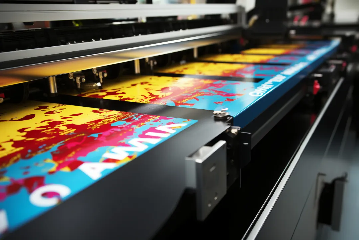
While traditional pigment ink delivers robust print durability, its solvent system may emit slight volatile odors, and printheads demand extra careful protection. Thus, a quiet technological evolution arrived: water-based pigment ink.
It retains outstanding weather resistance, yet adopts mild, eco-friendly water as its primary carrier. The merits of this aqueous carrier include zero pungent odor, low VOC content, greater safety for humans and the environment, reduced nozzle clogging risk, and easy equipment cleaning and maintenance.
Currently, water-based pigment ink is widely applied in image output, commercial displays, office and home printing, industrial printing, textile printing and many other sectors.
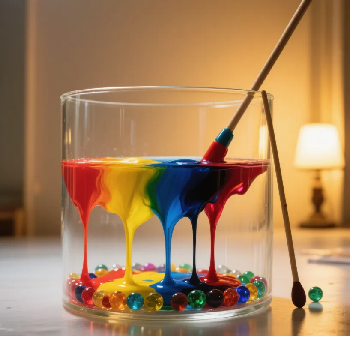
The composition of water-based pigment ink forms an intricate microcosmic symphony, with key components listed below:
1) Color Dispersion
High-performance pigment particles are processed into highly concentrated, ultra-stable pigment suspensions. Pigment microparticles are refined to nanoscale size and evenly suspended, laying a solid foundation for fade-resistant final ink products.
2) Aqueous Carrier (Primary Solvent)
Deionized pure water dilutes color dispersions to working concentrations. It is the source of eco-friendliness, low odor and mild properties, generally accounting for 60% to 80% of total ink weight.
3) Functional Additives
- Humectant: Prevents rapid evaporation and drying at nozzle openings.
- Biocide & Fungicide: Inhibits bacterial and mold growth in aqueous organic systems to secure long-term ink stability.
- pH Regulator: Precisely adjusts ink pH value to protect metallic printhead components and optimize suspension stability of color dispersions.
- Surface Tension Modifier: Governs ink penetration and spreading on paper, affecting line sharpness and drying speed.
- Defoamer: Eliminates foam generation during production and usage.

The development of water-based pigment ink starts with a core resource: pigment color dispersion.
Water-based pigment dispersion is far more than a single ingredient of ink. Its nano pigment particles are refined to extreme uniformity and stability with excellent water affinity.
The intrinsic quality of water-based pigment dispersion — including grinding fineness, dispersion stability, color purity and physicochemical compatibility — fundamentally determines the overall performance of finished water-based pigment ink.
Amid the global pursuit of sustainable development and green manufacturing, water-based pigment ink has evolved from an eco-friendly alternative into a strategic color solution for numerous industries. Its core driving strength lies in its perfect alignment with modern strict standards for environmental friendliness, safe production, superior printing performance and long-term regulatory compliance.
Nanjing Newchem Original Chemical Co., Ltd. is an authorized professional distributor of KAO LUNAJET series water-based pigment dispersions. Should you have relevant product demands, feel free to contact us anytime. We will provide dedicated service and look forward to collaborating with you to unlock boundless possibilities in color creation.
Contacts
Ms. Yan: +86 18951936013
Ms. Li: +86 19951798368
Humans have long yearned to freeze fleeting sounds and thoughts into tangible traces.
From ancient parchment scrolls and woodblock printing
to the present day, where a simple mouse click allows invisible digital streams
to instantly bloom into words and colors on paper.
This is the delicate magic of digital printing.
Digital printing falls into two mainstream technologies: laser printing and inkjet printing. Using distinct working principles, both convert digital data into vivid imprints on printing substrates.
# Laser Printing
The Precise Dance of Light and Heat
Xerox pioneered breakthroughs in laser printing technology in 1971. Fundamentally, it is an intricate process relying on electrostatic imaging and thermal fusing. A laser beam scans the photosensitive drum to form an electrostatic latent image, which attracts charged dry toner particles. High temperature and pressure then permanently fuse the toner onto the printing medium.
It delivers crisp, engraving-like text, fast printing speed and low single-page cost, with water-resistant and fade-resistant prints. However, its color gradient performance is relatively limited, and laser printers tend to be bulky and costly.
# Inkjet Printing
An Exquisite Poem Written by Countless Tiny Ink Droplets
The concept of inkjet printing dates back to the 19th century, yet commercialized modern applications only emerged in the late 1970s. Its core technology lies in ejecting micro ink droplets on demand through tiny nozzles onto the surface of print media.
Two dominant technical approaches are widely adopted today: piezoelectric and thermal bubble. The piezoelectric method manipulates voltage to deform piezoelectric crystals, squeezing the ink chamber for ultra-precise droplet control. The thermal bubble method uses micro heaters to instantly vaporize ink and generate bubbles that push ink droplets out.
Inkjet printing boasts outstanding color reproduction, compact equipment and compatibility with specialty papers. Its drawbacks include relatively expensive ink, potential nozzle clogging requiring regular maintenance, slower printing speed on plain paper, and ink bleeding when exposed to water.
These micro nozzles act as microscopic painters, dotting billions of ink droplets precisely across paper. Based on colorant types, inkjet inks are categorized into dye inks and pigment inks.
1. Dye Ink
Dye ink is a solution system where colorants (dyes) dissolve as individual molecules within a liquid carrier, usually a blend of water and water-soluble organic solvents. This molecular-level dispersion enables deep penetration into substrate fibers, delivering brilliantly vivid visual effects.
Nevertheless, dye ink is prone to photodegradation and offers weak water resistance. Therefore, it is ideal for scenarios prioritizing vibrant colors with low durability requirements.
2. Pigment Ink
Unlike dye ink, pigment ink is a typical suspension system. Its color-bearing components are not dissolved molecules, but solid nano/micro particles aggregated from massive organic or inorganic pigment molecules. This grants pigment ink exceptional durability, light fastness and water resistance.
Traditional pigment ink lags behind dye ink in color saturation, but modern pigment ink has seen dramatic improvements in color performance. It has become the top choice for long-term applications including archival storage, outdoor displays and important document printing.
While traditional pigment ink delivers robust print durability, its solvent system may emit slight volatile odors, and printheads demand extra careful protection. Thus, a quiet technological evolution arrived: water-based pigment ink.
It retains outstanding weather resistance, yet adopts mild, eco-friendly water as its primary carrier. The merits of this aqueous carrier include zero pungent odor, low VOC content, greater safety for humans and the environment, reduced nozzle clogging risk, and easy equipment cleaning and maintenance.
Currently, water-based pigment ink is widely applied in image output, commercial displays, office and home printing, industrial printing, textile printing and many other sectors.
The composition of water-based pigment ink forms an intricate microcosmic symphony, with key components listed below:
1) Color Dispersion
High-performance pigment particles are processed into highly concentrated, ultra-stable pigment suspensions. Pigment microparticles are refined to nanoscale size and evenly suspended, laying a solid foundation for fade-resistant final ink products.
2) Aqueous Carrier (Primary Solvent)
Deionized pure water dilutes color dispersions to working concentrations. It is the source of eco-friendliness, low odor and mild properties, generally accounting for 60% to 80% of total ink weight.
3) Functional Additives
- Humectant: Prevents rapid evaporation and drying at nozzle openings.
- Biocide & Fungicide: Inhibits bacterial and mold growth in aqueous organic systems to secure long-term ink stability.
- pH Regulator: Precisely adjusts ink pH value to protect metallic printhead components and optimize suspension stability of color dispersions.
- Surface Tension Modifier: Governs ink penetration and spreading on paper, affecting line sharpness and drying speed.
- Defoamer: Eliminates foam generation during production and usage.
The development of water-based pigment ink starts with a core resource: pigment color dispersion.
Water-based pigment dispersion is far more than a single ingredient of ink. Its nano pigment particles are refined to extreme uniformity and stability with excellent water affinity.
The intrinsic quality of water-based pigment dispersion — including grinding fineness, dispersion stability, color purity and physicochemical compatibility — fundamentally determines the overall performance of finished water-based pigment ink.
Amid the global pursuit of sustainable development and green manufacturing, water-based pigment ink has evolved from an eco-friendly alternative into a strategic color solution for numerous industries. Its core driving strength lies in its perfect alignment with modern strict standards for environmental friendliness, safe production, superior printing performance and long-term regulatory compliance.
Nanjing Newchem Original Chemical Co., Ltd. is an authorized professional distributor of KAO LUNAJET series water-based pigment dispersions. Should you have relevant product demands, feel free to contact us anytime. We will provide dedicated service and look forward to collaborating with you to unlock boundless possibilities in color creation.
Contacts
Ms. Yan: +86 18951936013
Ms. Li: +86 19951798368